- Home
- Features Index
-
Features
Features
Advancing Less Invasive Cancer Treatments
2025/12/12
ー Professor Wataru Yamagami’s Vision for the Future of Gynecologic Oncology ー
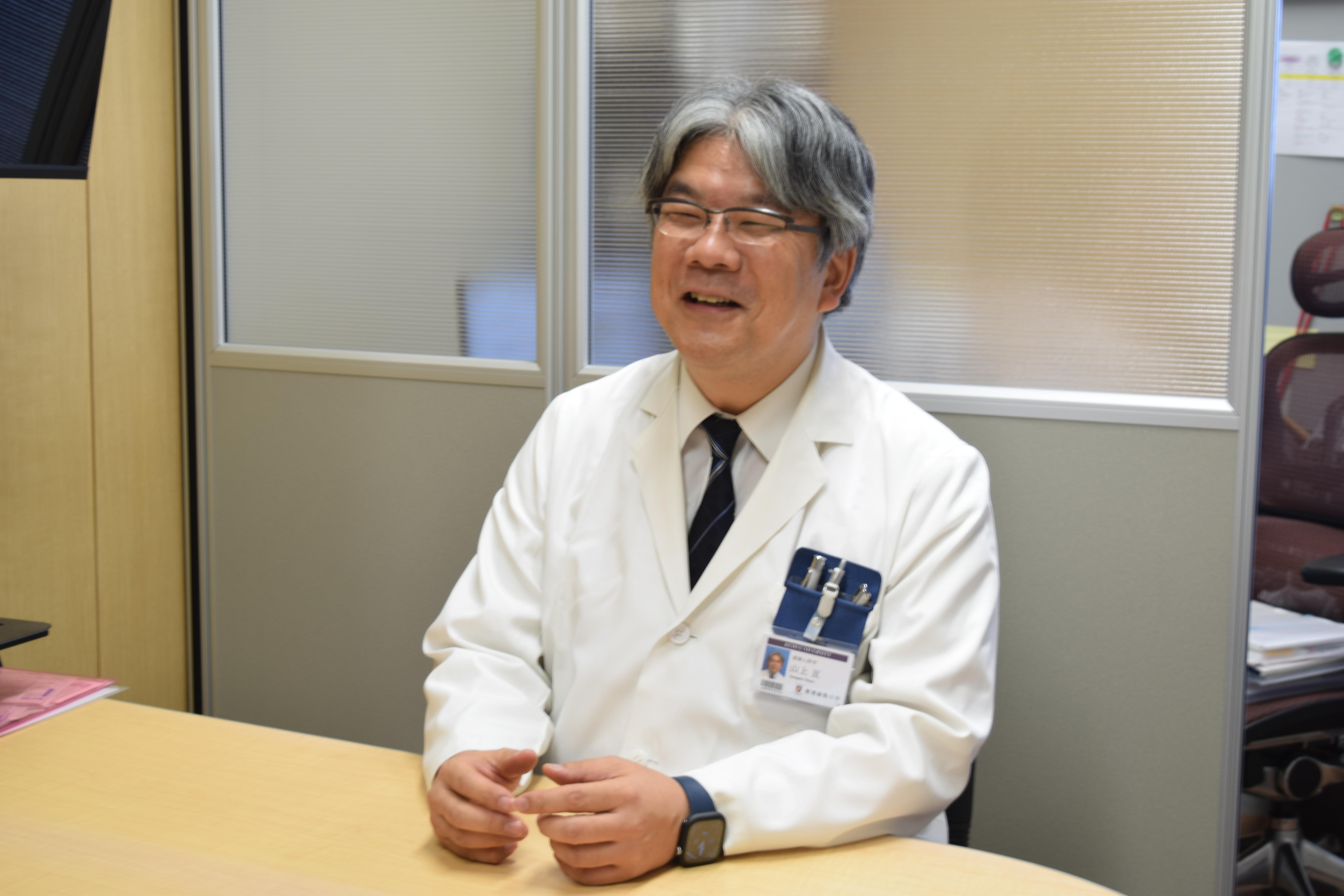
In recent years, cancer treatment has evolved beyond simply saving lives to safeguarding the quality of life itself. At the heart of this evolution is the shift toward less invasive treatments. Professor Wataru Yamagami specializes in gynecologic oncology at the Keio University School of Medicine and leads both in research and clinical care. He takes a broad view of this shift toward less invasive treatments and is working to build the treatment models of the future.
From Frequent Hospital Visits to a Calling in Medicine
As a child, Prof. Yamagami spent a great deal of time at the hospital. A series of illnesses and injuries—appendicitis, ear infections, a broken arm, and a torn Achilles tendon—meant regular trips to the hospital. “The ear infections were the worst,” he recalls. “I got one every time I caught a cold, and doctors had to cut open my eardrum. It was really traumatic for me.”
But those experiences planted the desire to be on the side of healing, and they became the foundation for Prof. Yamagami’s decision to become a doctor.
Although he struggled in Japanese class, he excelled in the sciences and was especially drawn to hobbies such as electronics and amateur radio. By the time of his high school entrance exams, he had decided to pursue medicine. He went on to Keio Shiki Senior High School, then advanced to the Keio University School of Medicine, where his path to becoming a doctor truly began.
A Turning Point: From Palliative Care to Cancer Treatment
From his student days, Prof. Yamagami had a strong interest in palliative care, spending his summer holidays volunteering at a hospice. At the time, palliative care was still not widely known, but his experiences with frequent hospital visits as a child led him to appreciate patient-centered care.
But in his sixth year of medical school, a turning point came during a hospice visit. The hospice director advised him to first become a physician capable of treating cancer, and to consider returning to palliative care only if he still felt drawn to it afterward.
“To me, it was a message about the importance of confronting cancer directly, so patients wouldn’t be led to make the wrong choice,” says Prof. Yamagami. Later, during his clinical rotations, he discovered that gynecologists also treat cancer. This discovery sparked his interest and led to his decision to specialize in the field.
Discovering Fertility-Sparing Therapy
In his second year as a gynecologist, Prof. Yamagami was encouraged to explore early-onset endometrial cancer. Endometrial cancer is most often diagnosed in women in their 50s and 60s, with cases under 40 making up just 5%, classifying it as a rare cancer. The standard treatment involves removing the uterus and ovaries, meaning younger patients lose the ability to have children. That is where fertility-sparing therapy came into focus: a treatment that preserves reproductive organs while still targeting the cancer.
Factors such as an increasingly Western diet and delayed marriage and childbirth have contributed to a rise in early-onset endometrial cancer. Still, the number of cases remains low, and few doctors specialize in treating it. So why did Prof. Yamagami choose to focus on a field that receives so little attention?
In response, he poses a question of his own.
“One purpose of cancer treatment is to improve survival,” he says. “But is that alone enough to make a patient truly happy?”
Each patient has their own hopes, and living longer isn’t the only thing that matters. Some want to preserve their ability to have children, while others place greater value on quality of life.
That’s why Prof. Yamagami is working to advance less invasive approaches to cancer treatment. Minimally invasive treatment refers to methods that reduce physical strain on the patient to the extent possible. Common examples include laparoscopic and robot-assisted surgeries. Compared to open surgery, these procedures significantly reduce physical strain and support faster recovery.
But Prof. Yamagami’s concept of minimally invasive care goes far beyond surgical technique. This broad approach includes not only fertility-sparing therapy, but also sentinel lymph node biopsy—which helps avoid unnecessary lymph node removal and prevent complications such as lymphedema—as well as postoperative care for cancer survivors.
The Future of Cancer Treatment: Medicine That Protects Both Life & The Lives Patients Lead
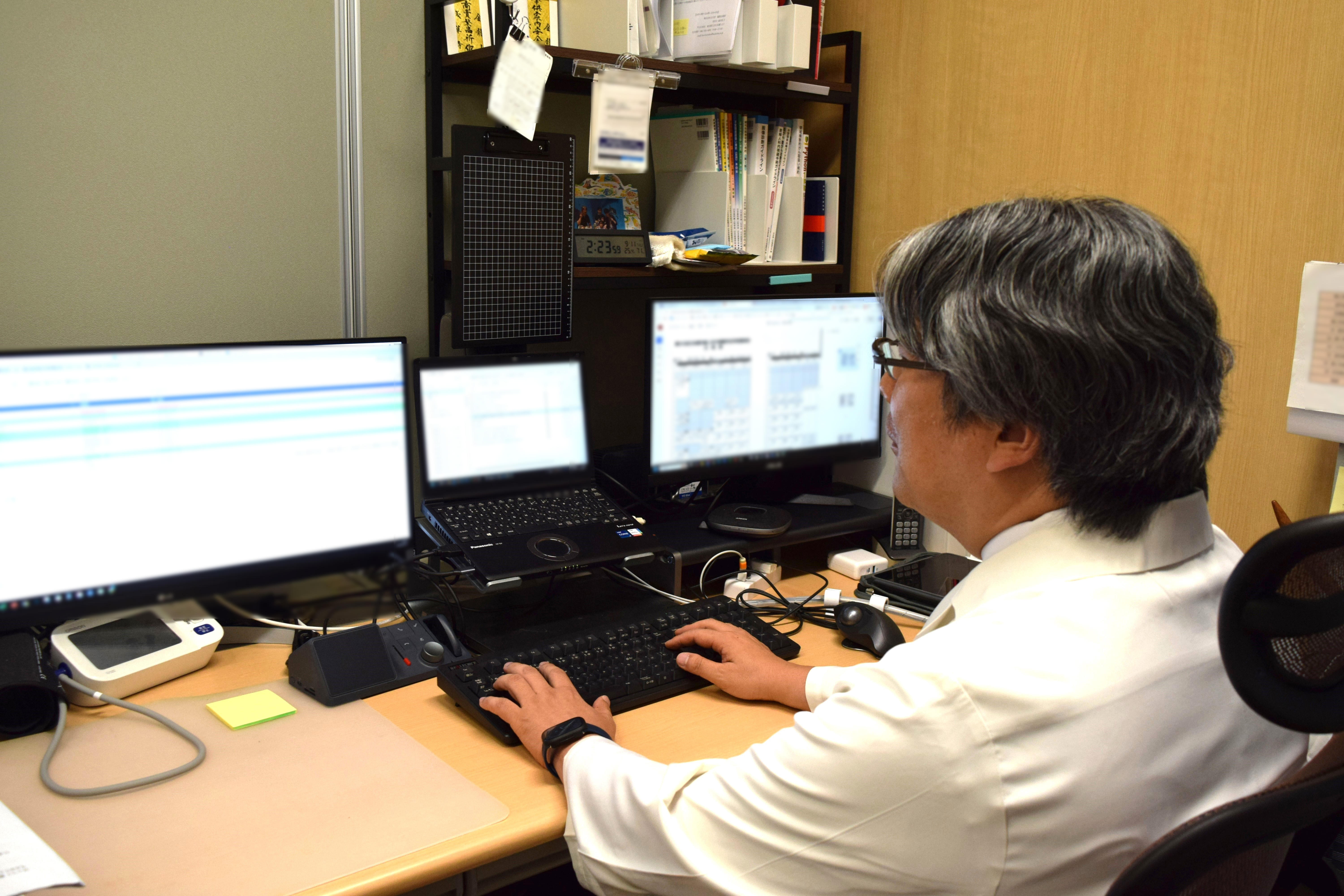
A constant theme across both Prof. Yamagami’s research and clinical work is this: protecting patients’ quality of life (QOL). While curing cancer remains the primary goal, he also designs treatments that take into account the patient’s future and how they will live their lives after treatment.
How can we reduce the physical and emotional toll of cancer treatment, while protecting the overall quality of a patient’s life? To achieve both aims, Prof. Yamagami is pushing the boundaries of minimally invasive treatments to maximize their potential. This pursuit is what defines his vision for the future of cancer care. In a way, it may be a natural extension of the interest in palliative care he had as a medical student.
Exploring the Safety & Limitations of Fertility-Sparing Therapy
A defining feature of Prof. Yamagami’s research is his extensive clinical experience, supported by an exceptionally high volume of cases. Fertility-sparing therapy is a highly specialized area of gynecologic oncology, with many hospitals performing only a few cases per year. At Keio University Hospital, however, approximately 400 such cases are treated each year, making it one of the leading institutions in Japan in this field.
The goal of Prof. Yamagami’s research is to identify the limits of what fertility-sparing therapy can achieve. One major finding has been the ability to clarify differences between patients who respond well to treatment, those who don’t, and those more prone to recurrence, based on clinical and pathological features, as well as radiomics (a technique for extracting features from medical imaging). He also led a large-scale clinical trial involving 115 patients at around 80 institutions in Japan and overseas, investigating new treatment strategies for intrauterine recurrence, a common complication in fertility-sparing cases.
Prof. Yamagami hopes these findings may lead to revisions of the standard treatment guidelines for gynecologic cancers in Japan. In many hospitals that lack experience with fertility-sparing therapy, a prolonged treatment period or recurrence often leaves hysterectomy as the only option.
“The next challenge,” says Prof. Yamagami, “is spreading fertility-sparing therapy not just across Japan, but globally. We’re still only halfway there.”
What Makes a Good Doctor?
When asked what qualities a doctor needs, Prof. Yamagami answered without hesitation: someone who can see not only the illness, but also the person.
“In other words, it comes down to understanding the patient as a whole: their illness, their personal situation, and their family relationships. Treatment decisions vary depending on each person’s circumstances. The ability to recognize that, I believe, is what makes a good doctor.”
One of his favorite sayings is: “The superior physician, the midiocre physician, the inferior physician.”
But what exactly does this mean to him?
“Treating illness is, of course, important, but that alone isn’t enough. As a clinician, I believe we must look beyond the disease and see the whole person, including their background. And for those of us in academia, our role is also to engage with society and strive to change it.” That conviction is embedded in these words.
The Rewards of Practicing Medicine Alongside Patients
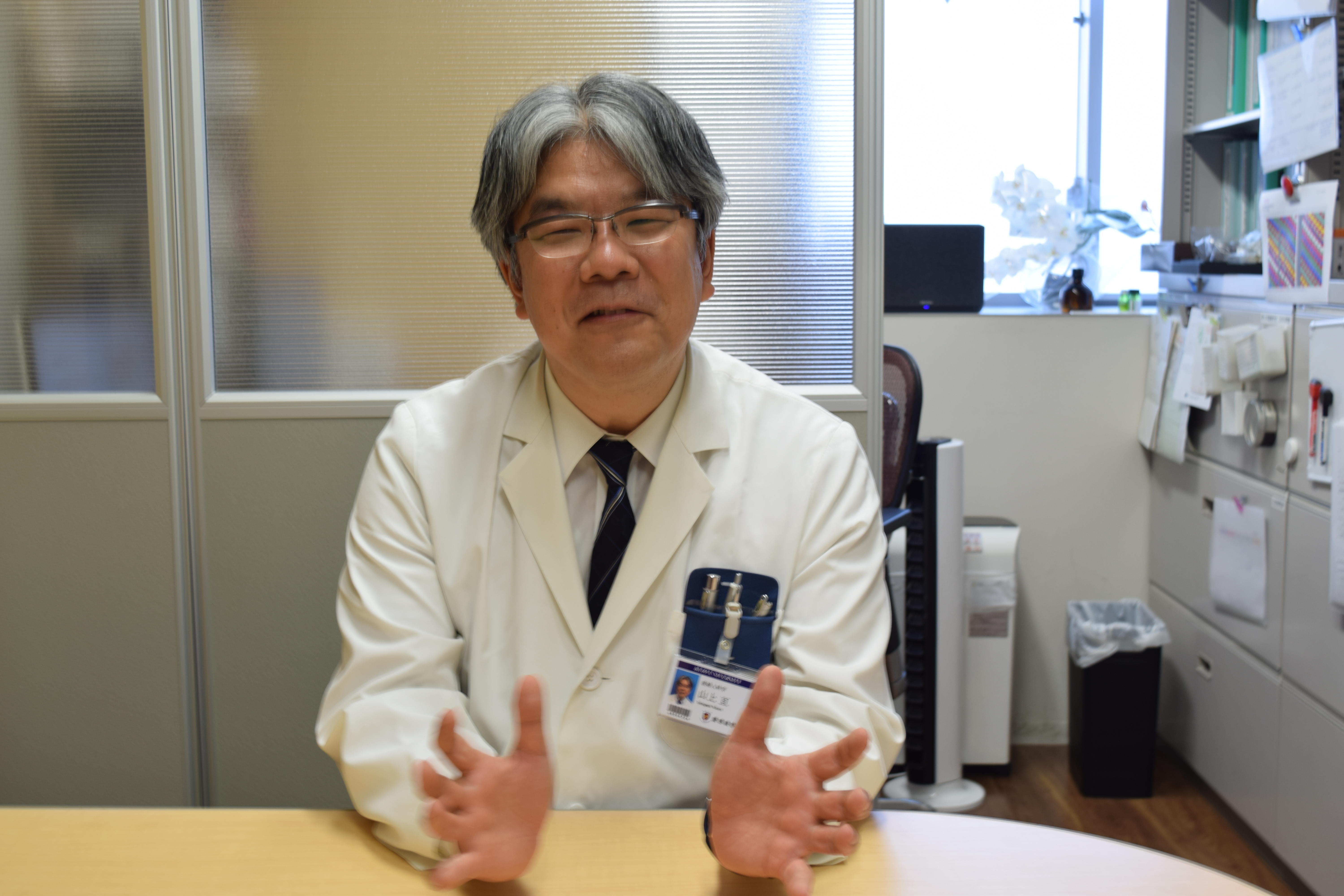
Prof. Yamagami says that no matter how many years pass, he’s always moved when a patient says thank you. “I feel the greatest sense of fulfillment when I see my research results actually helping patients,” he adds.
“A patient who had been told at another hospital that a hysterectomy was her only option came to us, and her treatment went well. She later became pregnant and gave birth. When she returned and said, ‘Thanks to you, I was able to have my child,’ that really meant a lot to me.”
Of course, there have also been cases where, even after exploring every possibility together, hysterectomy was the only path left. When patients tell Prof. Yamagami that his support helped them come to terms with a difficult outcome, he finds fulfillment in knowing he was able to make a difference.
As someone specializing in rare gynecologic cancers, Prof. Yamagami is often consulted by other physicians, an experience that brings with it both a strong sense of responsibility and great pride.
Setbacks & The Path of a Researcher
Behind what appears to be a smooth career path, Prof. Yamagami has faced more than a few setbacks. During graduate school, his basic research didn’t go as planned, and it took him six years to complete his doctorate. But through that experience, he came to realize what makes research meaningful for clinicians: the ability to discover questions from the problems faced by real patients. He notes that even small questions that arise in daily clinical practice can sometimes lead to major research discoveries.
One of the mottos Prof. Yamagami lives by is the proverb: “Inscrutable are the ways of heaven.”
“Life unfolds in its own way. You never know how things might be connected. So even if I fail once or twice, or face something painful, I keep moving forward, believing it might have meaning ten or twenty years down the line,” he says.
“Being a doctor is one of the few professions where you can directly feel you’re helping someone. For me, it’s a calling. Every patient is different, and there’s always more to learn. That’s why I’ve never grown tired of this work,” he says quietly, but with unmistakable conviction.
What You Discover by Truly Engaging with Patients
Prof. Yamagami says the appeal of obstetrics and gynecology lies in its breadth: “It encompasses perinatal care, reproductive medicine, gynecologic oncology, and women’s health, and lets you engage with patients at many different stages of life.” It’s a field that goes far beyond pregnancy and childbirth, rich in complexity, with endless opportunities to learn.
To close, we asked what it means to study at the Keio University School of Medicine, and whether he had a message for high school students aspiring to become doctors.
“The Keio University School of Medicine is founded on the principle of developing physician-scientists. What makes it special is the equal value placed on both research and clinical care.”
“To those aiming for medical school, I want to say this: don’t feel pressured to find a research theme right away. Starting with a simple interest in clinical work is enough. Even if you’re unsure what field you want to enter, that’s fine. If you want to be a doctor, start by becoming one, then decide. Once you’ve chosen a specialty and begin seeing patients—facing challenges, struggling with decisions—you may suddenly find yourself asking a question. That question might turn out to be an important, unanswered one. And from that, important research can unfold.”
“And when that time comes, you’ll have experienced mentors, supportive colleagues, junior peers, and allied health professionals who are always ready to support you. That, I believe, is the greatest strength of the Keio University School of Medicine.”
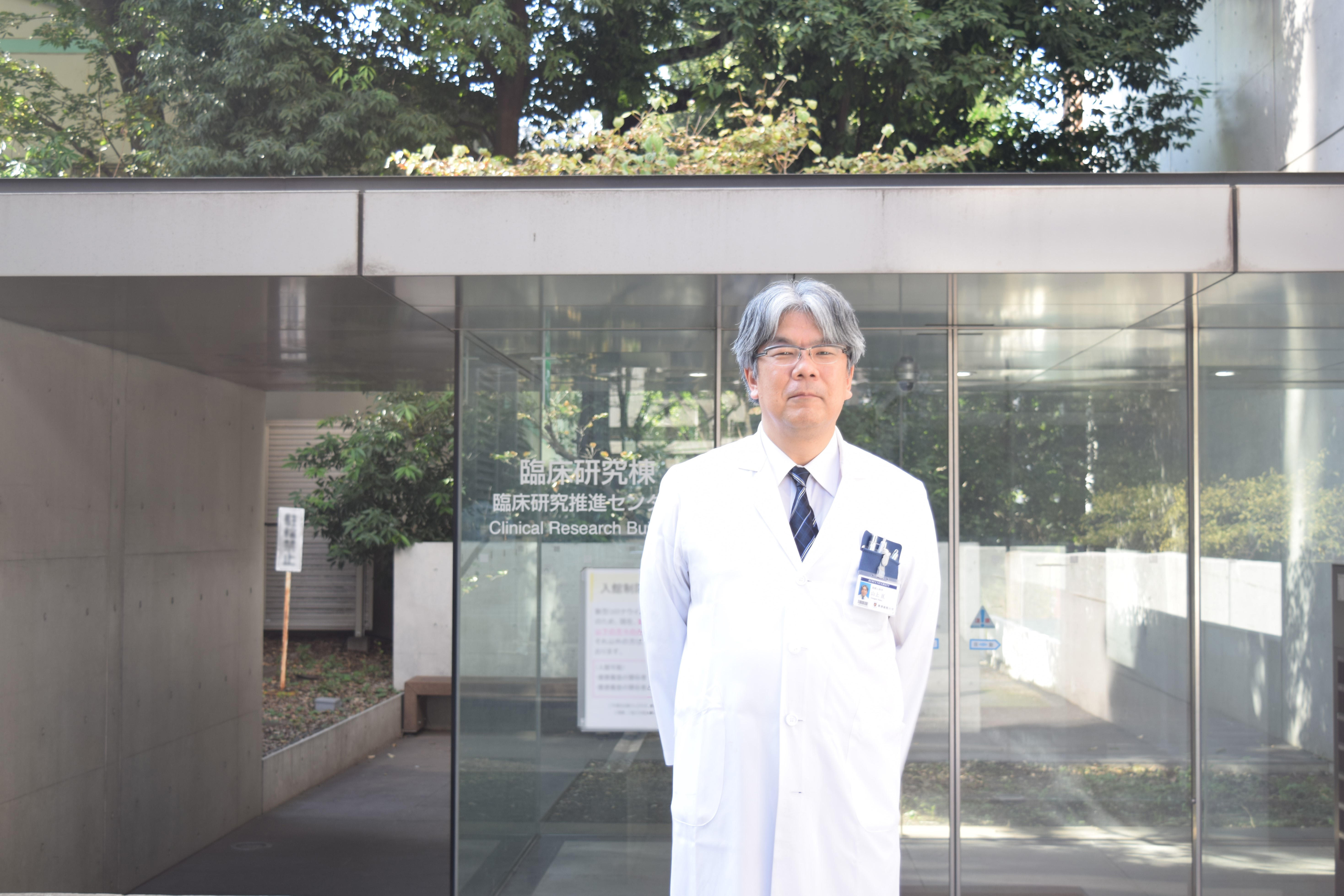
Wataru Yamagami
Professor, Department of Obstetrics and Gynecology, Keio University School of Medicine
Yamagami graduated from the Keio University School of Medicine in 2000 and joined the Department of Obstetrics and Gynecology at Keio University School of Medicine the same year. After completing his residency and clinical training at affiliated hospitals, he began working as a research resident at the then-National Cancer Center Research Institute in 2005, where he focused on basic research. He earned his Ph.D. in Medicine in 2012. He later served as Assistant Professor, then as a full-time Lecturer in the Department of Obstetrics and Gynecology at Keio University School of Medicine, before assuming his current position in 2023. His areas of expertise include gynecologic cancers, fertility-sparing treatments, and minimally invasive surgery.
*All affiliations and titles listed are those at the time of the interview.